

Here’s the decorating dilemma no one talks about: you love the warmth of traditional holiday aesthetics, but your space screams contemporary. Or maybe you’re drawn to sleek, minimalist displays, yet worry they’ll feel cold and impersonal. A common mistake is pairing traditional Christmas decorations with contemporary or modern settings, which can create an unbalanced look when the styles clash. The good news? You don’t have to choose just one.
This guide breaks down everything you need to know about classic vs modern Christmas décor so you can create displays that actually work for your property:
- Defining characteristics of classic and modern holiday styles
- Color palettes, textures, and materials for each approach
- How to match décor to your property’s architecture
- The art of blending both styles seamlessly
- Which approach works best for commercial spaces
- Pro tips for creating cohesive, memorable displays
At Trimmers Holiday Decor, we’ve designed custom holiday displays for Florida’s most recognized commercial properties for over 33 years. Whether your vision leans traditional, contemporary, or somewhere in between, our team brings it to life with expert installation and flawless execution.
Defining Classic and Modern Holiday Styles
Before you hang a single ornament, understanding the core DNA of each decorating style helps you make smarter decisions. These aren’t just aesthetic preferences. They’re entirely different approaches to creating a festive atmosphere.
What Makes Classic Holiday Decor Classic
Traditional Christmas decorations evoke warmth, nostalgia, and timeless elegance. Classic decor uses traditional colors like red, green, and gold, with timeless ornaments and cozy touches. Think velvet ribbons, heirloom glass ornaments, tartan plaids, and the unmistakable glow of a fully decorated Christmas tree surrounded by wrapped presents.
The hallmarks of traditional holiday decor include:
- Rich, saturated colors like ruby red, hunter green, and antique gold
- Layered textures such as velvet, satin, and natural greenery
- Sentimental elements like family ornaments and vintage-inspired baubles
- Abundant decorations on every surface, from mantels to dining table centerpieces
- Warm white lights that create a cozy, inviting glow
Traditional décor tells a story. It connects guests to childhood memories, cherished family traditions, and the holiday spirit passed down through generations.
What Defines Modern Holiday Style
Modern Christmas decorations focus more on evoking space and lightness in your home. It presents an alternative, calming, and cozy atmosphere to an otherwise traditionally bold and bright holiday.
Where classic style says “more is more,” modern holiday decor embraces restraint. Minimalist Christmas decorating focuses on simplicity, clean lines, and meaningful elements, creating a serene and timeless holiday atmosphere.
Key features of modern Christmas decor include:
- Neutral color palette with whites, creams, grays, and soft metallics
- Clean lines and uncluttered arrangements
- Geometric shapes and sculptural ornaments
- Quality over quantity with fewer, more intentional pieces
- Mixed modern materials like glass, metal, and natural wood
Modern style works beautifully in contemporary spaces where traditional decorations might feel out of place or visually jarring.
Color Palettes, Textures, and Materials
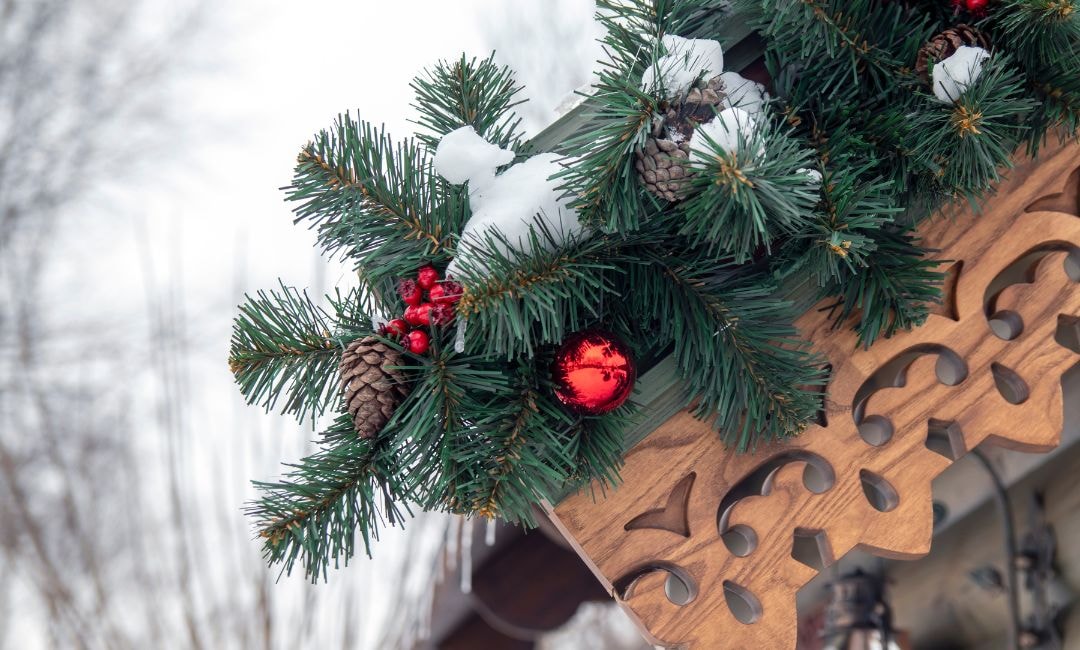
The most important part of any holiday decorating project? Getting the foundation right. Your color scheme and material choices set the tone for everything else.
Classic Color Combinations
Traditional Christmas décor draws from a palette rooted in centuries of holiday tradition:
| Color Palette | Mood | Best For |
|---|---|---|
| Red, green, and gold | Warm, festive, nostalgic | Historic buildings, family-focused spaces |
| Burgundy and champagne | Elegant, sophisticated | Upscale lobbies, country clubs |
| Silver and white | Crisp, wintry, bright | Spaces with existing cool tones |
| Jewel tones (emerald, ruby, sapphire) | Luxurious, dramatic | High-end commercial properties |
Textures that define classic style: Velvet ribbons, satin bows, mercury glass ornaments, natural garlands with pinecones, and plush tree skirts create the layered richness traditional holiday decor demands.
Modern Color Schemes
Neutral tones like white, cream, gray, beige, and soft pastels create a peaceful and calming backdrop, which is perfect for the holiday season. These colors are reminiscent of winter landscapes, evoking the tranquility of a snowy day.
| Color Palette | Mood | Best For |
|---|---|---|
| White and natural wood | Scandinavian, serene | Modern home settings, minimalist lobbies |
| Black and white | Graphic, chic, bold | Contemporary commercial spaces |
| Cream, beige, and champagne | Warm neutral, sophisticated | Transitional properties |
| Muted green and soft pink | Fresh, modern, playful | Boutique retail, spas, creative spaces |
Materials that define modern style: Acrylic nutcrackers, marble snowmen, and bronze reindeer spread holiday cheer without overwhelming existing decor. Glass, brushed metals, natural linen, and unfinished wood bring contemporary sophistication to holiday displays.
Matching Décor to Your Property’s Architecture
Here’s where many decorating projects go wrong: ignoring the building itself. A common mistake is pairing traditional Christmas decorations with contemporary or modern settings, which can create an unbalanced look when the styles clash.
Traditional Architecture Calls for Classic Décor
Properties with the following features typically suit traditional holiday decorations:
- Ornate moldings and detailed trim work
- Warm wood tones and rich finishes
- Symmetrical layouts and formal spaces
- Historic or heritage-style construction
- Fireplaces with prominent mantels
For these spaces, lean into the warmth of tradition. Layer garlands along staircases. Hang wreaths with generous velvet bows. Let your Christmas tree become a glowing centerpiece filled with ornaments that catch the light.
Contemporary Architecture Prefers Modern Approaches
It works for modern homes as it fits naturally into contemporary spaces with clean lines. Minimalist decor complements modern furniture instead of overwhelming it.
Modern architecture features that call for contemporary holiday decor:
- Open floor plans with minimal visual barriers
- Floor-to-ceiling windows and abundant natural light
- Neutral or monochromatic interior palettes
- Sleek furniture with geometric shapes
- Exposed concrete, metal, or industrial elements
In these spaces, restraint is your friend. A single statement tree with minimal ornaments. Sculptural tabletop pieces. Fairy lights strung sparingly. The goal is to enhance the existing aesthetic, not compete with it.
Pro Tip:Walk through your space and photograph it before decorating. Look at the images objectively. Does your property’s interior design lean warm or cool? Busy or streamlined? Let those answers guide your direction.
The Art of Blending Both Styles Seamlessly
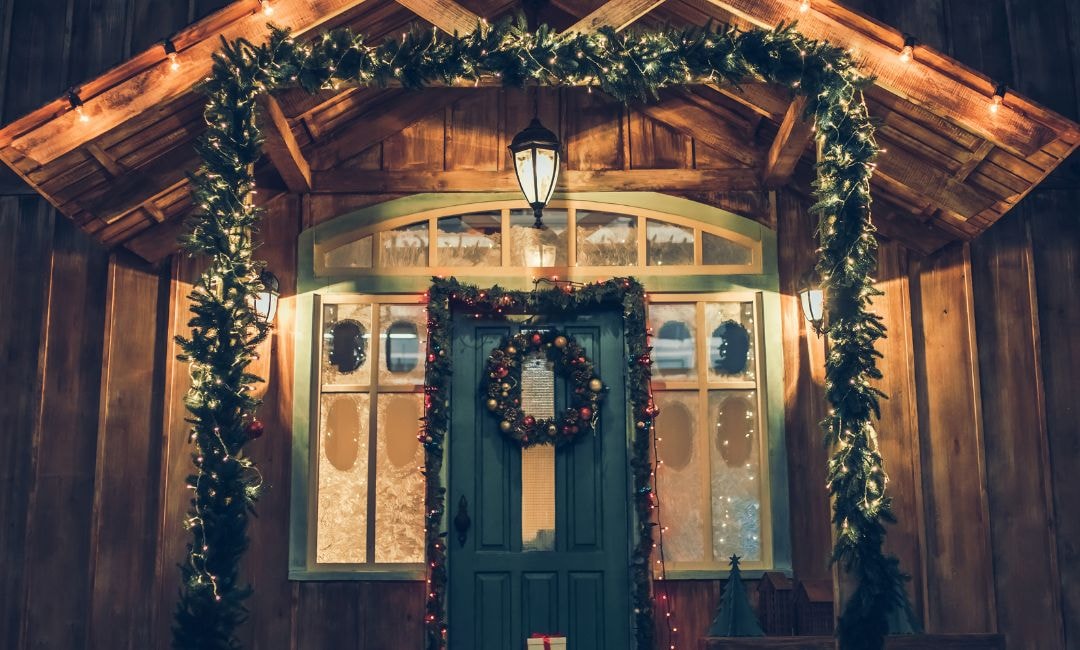
What if you love the warmth of traditional décor but your space screams contemporary? Good news: you don’t have to choose. For those who seek neither the solace of tradition nor the novelty of modernity, there lies the middle path: the confluence of classic and contemporary aesthetics.
How to Blend Successfully
The secret to mixing classic and modern Christmas decor lies in creating intentional bridges between the two styles.
- Start with a neutral foundation. Use modern materials and clean lines as your base. A simple artificial tree or minimalist garland creates breathing room for traditional accents to shine without overwhelming the space.
- Add traditional elements as focal points. Rather than scattering red and gold everywhere, concentrate classic touches in one or two key areas. A richly decorated mantel or a Christmas village display becomes a deliberate moment of nostalgia rather than visual chaos.
- Unify through color. Pick one color that appears in both styles. Gold works beautifully. It feels timeless in traditional settings and sophisticated in modern ones. Use it as your connecting thread.
- Mix textures thoughtfully. Pair sleek metallic ornaments with velvet ribbon. Combine natural wood accents with mercury glass. The contrast creates depth and interest.
Blending Styles: A Quick Reference
| Traditional Element | Modern Pairing |
|---|---|
| Red velvet ribbon | Matte black ornaments |
| Classic nutcracker | Geometric tree stand |
| Full evergreen garland | Simple white lights only |
| Vintage glass ornaments | Sparse, intentional placement |
| Tartan plaid accents | Clean-lined furniture |
Which Approach Works Best for Commercial Spaces
For commercial properties, the decision between classic and modern holiday decor isn’t purely aesthetic. It’s strategic.
When Classic Works Best
Traditional decorations create an instant emotional connection. They trigger nostalgia, comfort, and the joy most people associate with childhood holidays. This makes classic style a great choice for:
- Country clubs and private communities where members expect elegant tradition
- Family-oriented retail environments where warmth drives foot traffic
- Historic properties where architecture demands period-appropriate décor
- Hospitality venues aiming for a cozy, welcoming atmosphere
- Public spaces designed to appeal to broad demographics
Traditional holiday decor says: We’re welcoming. We’re familiar. We’re here to create memories.
When Modern Works Best
Contemporary holiday decorations feel fresh, unexpected, and design-forward. They appeal to guests who prefer sophistication over sentimentality. Modern style shines in:
- Boutique hotels and luxury properties targeting design-conscious guests
- Corporate offices with contemporary interior design
- High-end retail where brand aesthetic must remain consistent
- Tech companies and creative workspaces
- Spas and wellness centers where a calm atmosphere is paramount
Modern holiday decor says: We’re current. We’re intentional. We value design as much as you do.
The Hybrid Approach
Many commercial properties find success blending both. Consider using modern elements in everyday spaces (lobbies, hallways, common areas) while reserving traditional touches for gathering spaces (event rooms, dining areas, reception desks).
This hybrid approach lets you appeal to diverse guest preferences while maintaining visual cohesion throughout your property.
Pro Tips for Creating Cohesive, Memorable Displays
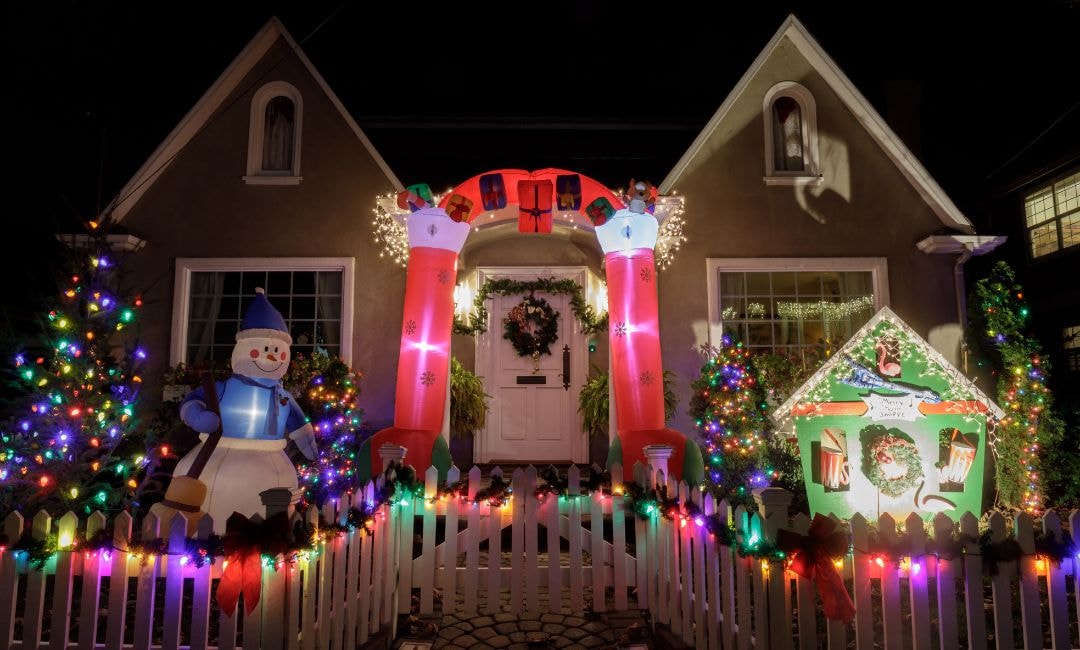
Whether you prefer classic warmth, modern sophistication, or a blend of both, these principles separate forgettable decorating from displays guests actually remember.
1. Commit to Your Color Scheme
Pick two to three colors maximum and stick with them throughout your space. Consistency creates cohesion. When colors wander, displays feel disjointed rather than designed.
2. Think in Layers
The most stunning holiday decorations have depth. Start with your foundation (tree, primary garlands), add your middle layer (ornaments, bows, secondary greenery), and finish with accents (fairy lights, small touches, final details).
3. Don’t Forget Lighting
Lighting defines the mood of your festive space. Replace harsh overheads with candles, table lamps, and fairy lights that cast a soft, inviting glow. Whether you prefer warm white lights for that cozy traditional feel or cooler tones for modern sophistication, lighting transforms everything.
4. Scale Matters
Match your decorations to your space. Oversized ornaments disappear on a small tree. Delicate touches get lost in large commercial lobbies. Walk through your property and honestly assess what scale each area can support.
5. Create Moments, Not Just Displays
The best commercial holiday decor gives guests something to stop and appreciate. A beautifully decorated entry creates a memorable first impression. A thoughtfully styled lounge area invites lingering. Think about the experience you’re designing, not just the decorations themselves.
6. Plan for Maintenance
Professional-grade decorations maintain their fresh appearance throughout the entire season. Budget holiday items look tired by mid-December. Invest in quality pieces, especially for high-traffic areas where guests will see them up close.
Pro Tip: Document everything. Take photos of your final displays from multiple angles. Note what worked and what didn’t. This becomes invaluable inspiration for next year’s decorating.
Find Your Perfect Holiday Style With Trimmers Holiday Decor
The classic vs modern Christmas décor debate doesn’t have a universal winner. The right choice depends on your property’s architecture, your brand’s personality, and the atmosphere you want to create for guests. The best displays feel intentional, cohesive, and true to your space.
Key takeaways:
- Classic décor features rich colors (red, green, gold), layered textures, and abundant traditional decorations
- Modern style embraces neutral palettes, clean lines, and intentional minimalism
- Match your holiday decorating approach to your property’s existing architecture
- Blending both styles works when you create deliberate bridges through color and texture
- Commercial spaces should choose styles based on guest demographics and brand identity
- Consistency, quality lighting, and appropriate scale create memorable displays
With over 33 years of transforming Florida’s most recognized commercial properties, Trimmers Holiday Decor brings your vision to life, whether you prefer timeless tradition, contemporary sophistication, or a thoughtful blend of both. Our team handles every detail from custom design to professional installation and takedown, so you can focus on celebrating the season with confidence.
FAQs
What’s the difference between classic and modern Christmas décor?
Classic décor uses traditional colors like red, green, and gold with abundant ornaments and layered textures. Modern style features neutral palettes, clean lines, and fewer, more intentional pieces that blend seamlessly with contemporary spaces.
Can I mix classic and modern Christmas decorations?
Absolutely. Start with a neutral foundation, add traditional elements as focal points, and unify through a shared color like gold. Many properties successfully combine vintage pieces with modern materials for a fresh, sophisticated look.
How do I choose the right style for my space?
Let your property’s architecture guide you. Traditional buildings with ornate details suit classic décor. Contemporary spaces with clean lines prefer modern approaches. When in doubt, shop for pieces that complement your existing interior design.
What colors work best for modern holiday decorating?
Whites, creams, soft grays, champagne, and muted greens create that modern vibe. These neutrals feel serene and sophisticated while still capturing the holiday spirit. Add touches of brass or natural wood for warmth.
How can I make my holiday display feel cohesive?
Commit to two or three colors maximum. Use consistent materials throughout. Think in layers: start with your foundation, add your middle layer, then finish with accents like tree branches and fairy lights. Consistency creates professionalism.


