

You’ve spent enough weekends on ladders. Tangled cords, burnt-out bulbs, and seasonal storage—traditional outdoor lighting eats your time and money.
Infinity lights solve that problem. These permanent LED systems mount discreetly on your roofline, delivering customizable colors and patterns for holidays, events, or everyday ambiance. No more seasonal setup.
Here’s what we’ll cover:
- How infinity lights work and why they outlast traditional options
- Installation costs and long-term savings
- Design flexibility for residential and commercial properties
- Maintenance requirements (spoiler: minimal)
Trimmers Holiday Decor has installed infinity lighting systems across Florida for 33+ years. We’ve seen what works—and what doesn’t—when it comes to permanent outdoor lighting.
How Infinity Lights Work and Why They Outlast Traditional Options
Permanent LED lighting systems—often called infinity lights—mount directly to your roofline or fascia. These fixtures stay in place year-round, eliminating the need to hang and remove seasonal decorations.
The technology is straightforward but smart. Small LED pucks or track systems sit along your home’s architectural lines, each unit connecting to a central control box that manages power and programming.
The Tech Behind the System
Modern permanent lighting systems connect via WiFi and use intuitive smartphone apps for wireless control. You’re not climbing ladders or fiddling with timers anymore.
Here’s what you get:
- Over 16 million RGB color combinations with adjustable brightness and speed
- Schedule capability that lets you program displays months in advance
- 54+ scene modes for holidays, parties, or everyday ambiance
- Voice control compatibility with Alexa and Google Assistant
Your phone becomes the control center. Colors, brightness, patterns—all adjustable without touching the lights themselves.
Lifespan: The Real Cost Difference
| Light Type | Average Hours | Years (6hrs/night) |
|---|---|---|
| Incandescent | 1,000-2,000 | 0.5-1 year |
| LED (Standard) | 25,000-50,000 | 11-23 years |
| LED (Premium) | 50,000-100,000 | 23-45 years |
Quality LED systems last between 50,000 to 100,000 hours, while traditional incandescent bulbs burn out after 1,000 to 2,000 hours. That’s not marketing hype—LEDs outlast conventional bulbs by 25 to 50 times.
Run the math: At 6 hours per night, standard holiday lights need replacement every season. LED systems keep working for 4-6 years minimum, often stretching to decades with proper installation.
Why LEDs Last Longer
The secret lies in how they produce light.
Traditional bulbs use filaments that heat up and eventually fail. LEDs convert electrical energy directly into light with minimal heat waste, which means less stress on components and longer functional life.
Three factors drive LED longevity:
- No filament degradation – Nothing burns out
- Lower operating temperatures – Heat is the fastest way to kill LEDs, but quality systems include proper heat dissipation
- Stable power management – Using correct voltage prevents overdriving, which significantly extends lifespan
Weatherproofing Makes the Difference
Professional outdoor LED systems include weatherproof enclosures with high IP ratings that protect against moisture, dust, and physical damage. In Florida, this isn’t optional—it’s survival.
IP ratings you need to know:
- IP65: Dust-tight, protected from water jets (good for most applications)
- IP67: Dust-tight, protected from temporary water immersion (better for harsh weather)
- IP68: Dust-tight, protected from continuous water immersion (best for coastal areas)
Cheap string lights corrode. Connections fail. Bulbs crack from temperature swings.
Premium permanent systems use UV-resistant materials and can operate in temperatures from -4°F to 140°F for up to 55,000 hours. That covers every weather scenario Florida throws at you—humidity, hurricanes, summer heat.
Understanding Lumen Depreciation
Here’s what most people don’t know: LEDs don’t suddenly die like traditional bulbs. They gradually lose brightness over time, measured by an L70 rating.
When you see “50,000 hours” on a spec sheet, it means the LED will maintain 70% of its original brightness at that mark. The light doesn’t stop working—it just dims to a point where you’ll eventually notice.
Compare that to incandescent bulbs, which work perfectly until they pop. No warning. Just darkness.
This gradual decline works in your favor. You get years of consistent illumination before any noticeable change occurs. And when dimming finally happens, it’s subtle enough that you can plan replacement on your schedule—not during a holiday weekend when you need them most.
Installation Costs and Long-Term Savings
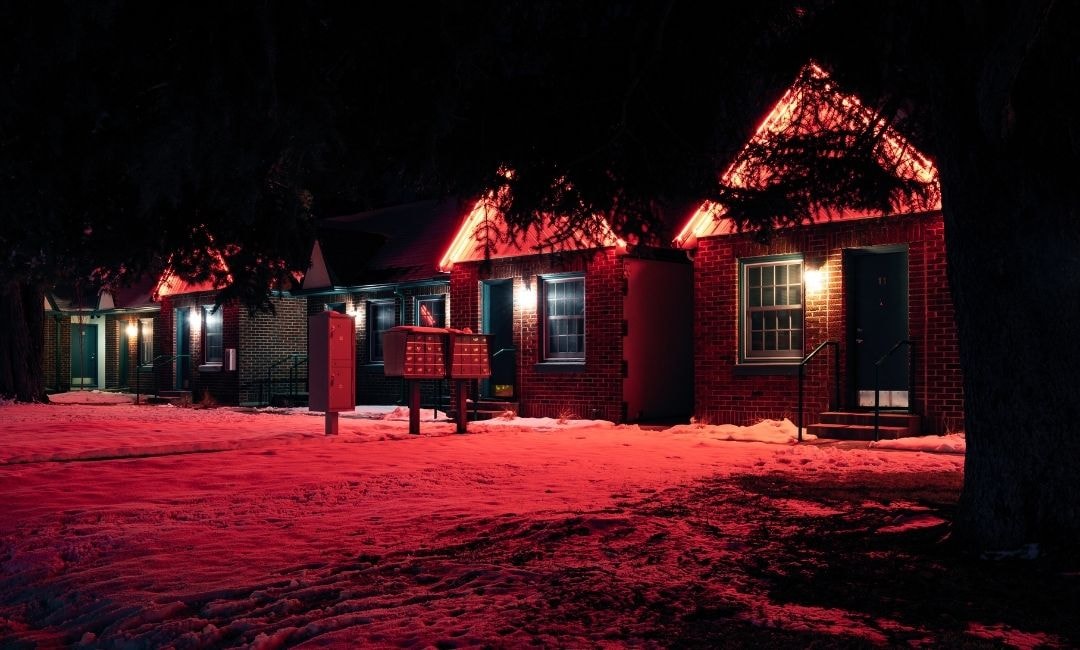
Permanent Christmas lights cost $20 to $40 per linear foot with installation, or $2,000 to $8,000 total on average. That upfront number makes people hesitate—until you compare it to alternatives.
Let’s break down the real math.
What You Actually Pay
Professional installation pricing is based on the linear footage of your roofline, not your home’s square footage. Homes with multiple stories, porches, and peaks cost more because they require more materials and labor time.
Typical installation breakdown:
| Home Size | Linear Feet | Cost Range |
|---|---|---|
| Small (1-story) | 100-150 ft | $2,000-$6,000 |
| Medium (2-story) | 150-250 ft | $3,000-$10,000 |
| Large (multi-story) | 250+ ft | $5,000-$15,000+ |
Material quality matters—higher-quality lights and mounting equipment cost more upfront but offer better durability, longer lifespan, and more reliable performance.
What drives the price:
- Roofline complexity (peaks, valleys, multiple levels)
- Material quality (commercial-grade vs. consumer-grade LEDs)
- Number of zones (separate control areas)
- RGB vs. single-color LEDs—RGB produces 23 lumens per bulb compared to 7.5 lumens for white-only options
- Labor rates in your area
Pro tip:Schedule installation during spring, summer, or late winter when installers are less busy. You’ll get better pricing than booking during fall or early winter peak season.
The Five-Year Comparison
Traditional holiday lighting seems cheaper. It’s not.
Temporary lighting (5-year cost):
- Professional installation/removal: $2.50 to $5.00 per linear foot annually, or $240 to $650 total per season
- Five years of service: $1,200 to $3,250
- Replacement bulbs and repairs: $200-$500
- Storage hassle: Priceless (but annoying)
- Total: $1,400-$3,750 (plus your time and sanity)
Permanent infinity lights (5-year cost):
- One-time installation: $2,000-$8,000
- Minimal maintenance: $0-$200
- No storage needed
- No annual ladder time
- Total: $2,000-$8,200
Break-even happens around year 3-4. After that, you’re saving money every single year.
Energy Costs: LEDs Win Big
LEDs consume up to 75% less energy and last 25 times longer than traditional incandescent bulbs. That translates to serious savings on your power bill.
Annual energy comparison (150 linear feet, 6 hours/night, 60 days/season):
- Incandescent: ~540 kWh = $65-$80/year
- LED: ~135 kWh = $16-$20/year
- Annual savings: $45-$60
Over 10 years, that’s $450-$600 in electricity costs you’re not paying. And that’s just for holiday season usage—if you use permanent lights year-round for security or ambiance, the savings multiply.
ROI and Property Value
Landscape lighting delivers approximately 60% ROI, adding an average of $2,400 to home value. Permanent outdoor lighting systems fall into this category—they’re an improvement that buyers notice and appreciate.
What makes permanent lighting valuable:
- Year-round security lighting capability
- Increased curb appeal
- Modern smart home integration
- Zero maintenance hassle for new owners
Trimmers Holiday Decor provides free design proposals and cost estimates for both residential and commercial properties across Florida. We’ve installed systems on homes ranging from 1,000 to 10,000+ square feet, so we understand how to maximize value while working within your budget.
Our commercial-grade LED systems typically run $25-$35 per linear foot installed, which includes professional design, premium materials, and a detailed walkthrough of your control system.
Design Flexibility for Residential and Commercial Properties
Permanent lighting isn’t just for December anymore. Modern LED systems deliver unlimited flexibility through programmable colors, patterns, and scheduling.
You’re getting one system that handles everything.
Residential Applications
Year-round functionality:
- Security lighting (white or warm tones)
- Pathway illumination for safety
- Over 16 million color combinations for holidays and special occasions
- 54+ scene modes including fade, pulse, and chase effects
- Architectural accent lighting
Think beyond Christmas. Super Bowl parties in February. Fourth of July. Halloween. Birthdays. Graduations. Your home adapts to every occasion without climbing a single ladder.
Popular residential designs:
- Roofline wrapping – Clean lines that highlight architecture
- Soffit and fascia mounting – Discreet during daytime, stunning at night
- Column and pillar accents – Frame entryways with elegance
- Landscape integration – Coordinate with existing garden lights
Systems integrate with smart home ecosystems and voice assistants like Alexa and Google Assistant, so you control everything from your phone or with simple voice commands.
Commercial Property Advantages
Businesses need lighting that works harder. Smart LED systems can change colors and patterns, making them perfect for adapting to different occasions without repeated installations.
Commercial applications we’ve installed:
- HOAs and community entrances – Seasonal displays that welcome residents
- Country clubs – Elegant year-round lighting with holiday flexibility
- Shopping centers – Attract customers with eye-catching displays
- Hotels and resorts – Premium ambiance that adjusts for events
- Restaurants and bars – Set the mood for different services or promotions
- Office buildings – Professional appearance with holiday cheer when appropriate
The ROI for commercial properties is straightforward: better lighting = more foot traffic = increased revenue.
Customization That Actually Matters
Advanced systems offer individual light control, allowing you to change each light’s color, brightness, and settings independently. This isn’t just a nice-to-have—it’s what separates basic systems from truly flexible installations.
Real customization examples:
- Gradient effects – Smooth color transitions across your roofline
- Zone control – Front, sides, and back operate independently
- Twinkling patterns – Simulate falling snow or starlight
- Team colors – Support your favorite sports team on game nights
- Branded lighting – Commercial properties can match company colors
Trimmers Holiday Decor specializes in custom designs for both residential and commercial properties. Our design team visits your property, assesses your architecture and landscaping, and creates a lighting plan that complements your space.
We’ve illuminated everything from modest single-family homes to sprawling country clubs and commercial developments. Our systems use premium RGB LED technology with full app control, giving you complete creative freedom once installation is complete.
Maintenance Requirements
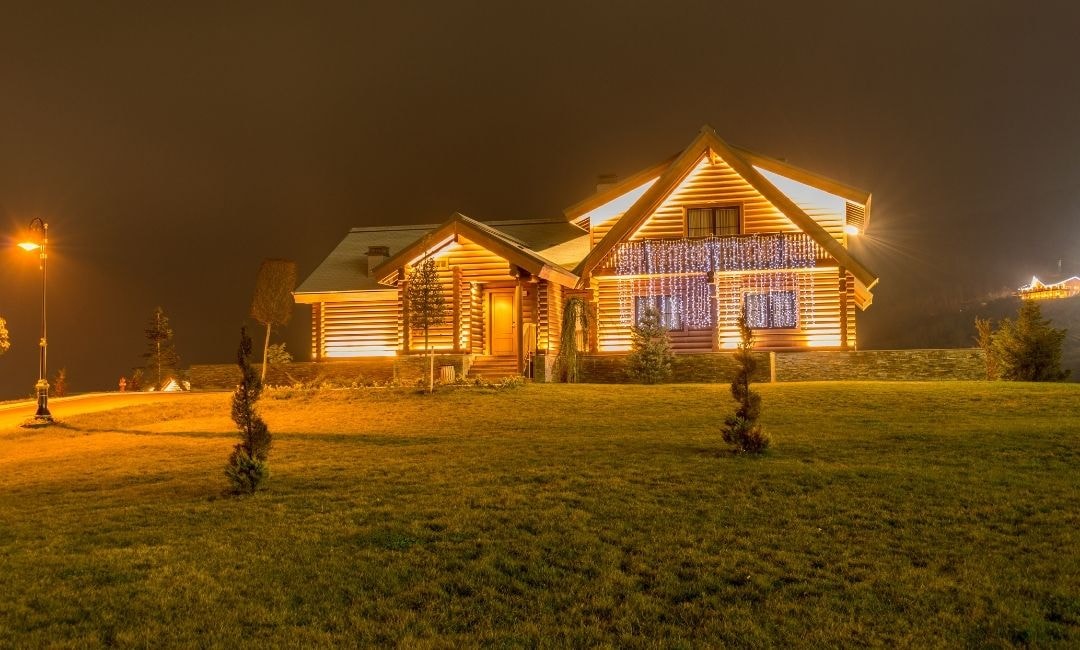
Here’s the best part: you barely touch these things.
Professional lighting systems recommend maintenance every six months, or at minimum once per year. Compared to the weekly hassle of checking traditional lights, that’s practically maintenance-free.
What Minimal Maintenance Looks Like
Twice-yearly tasks (15-30 minutes):
Regular cleaning with mild detergent, water solution, and a soft sponge extends fixture life and maintains brightness. That’s it. No bulb replacements. No tangled wires. No storage bins.
Your simple maintenance routine:
- Turn off power – Safety first
- Wipe down fixtures – Remove debris, dirt, and grime with a soft, dry cloth
- Check for obstructions – Trim back plants or shrubs that block light output
- Inspect connections – Look for frayed wires or loose connections
- Clean lenses – Use damp cloth with mild soap for stubborn grime, then dry thoroughly
Neglecting maintenance longer than a year can cause permanent mineral buildup on fixtures and diminished light output from corroded lenses. But catch it early and you’re fine.
What You DON’T Have To Do
Compare permanent LED maintenance to traditional lighting:
| Task | Traditional Lights | Permanent LEDs |
|---|---|---|
| Bulb replacement | Multiple times/season | Rarely (50,000+ hours) |
| Installation/removal | Every year | Never |
| Wire untangling | Every year | Never |
| Storage | Required | Not needed |
| Weather damage repair | Frequent | Minimal |
| Testing before use | Every season | Automatic app checks |
The time savings alone justify the investment for most people.
Professional Maintenance Options
Don’t want to handle it yourself? Many companies (including Trimmers) offer maintenance programs.
Professional services schedule cleaning and tune-ups on an automatic six-month rotation, handling all maintenance so you just enjoy the system.
What professional maintenance includes:
- Complete system inspection
- Fixture cleaning and lens polishing
- Application of WD-40 or similar protectant to revitalize finishes and guard against elements
- Connection testing and tightening
- Adjustment of mounting screws every two years to accommodate tree growth
- Software updates for smart controllers
- Immediate repair of any identified issues
Pro tip:Check your lights at least every three months in harsh weather areas, and immediately after major storms. Quick inspections prevent small problems from becoming expensive repairs.
Weather Resistance Reduces Maintenance
Quality systems require less attention because they’re built to survive.
Premium fixtures use UV-resistant materials with IP67 waterproof ratings, allowing operation in temperatures from -4°F to 140°F for up to 55,000 hours. That covers hurricanes, heat waves, and everything in between.
Features that reduce maintenance needs:
- Sealed connections (no water intrusion)
- UV-resistant housings (no sun damage)
- Commercial-grade LEDs (no frequent replacements)
- Secure mounting systems (no wind damage)
- Corrosion-resistant materials (no rust issues)
Trimmers Holiday Decor installs systems designed to handle Florida’s brutal climate. We use marine-grade connections in coastal areas, hurricane-rated mounting hardware, and UV-stabilized housings that won’t crack or fade.
Our 33 years in business mean we’ve seen what works—and what fails—in real-world conditions. Most of our clients spend less than 30 minutes per year maintaining their systems, and many opt for our bi-annual service program where we handle everything for a flat annual fee.
Get Year-Round Lighting Done Right with Trimmers Holiday Decor
Infinity lights eliminate the annual ladder dance. One installation delivers decades of customizable lighting for holidays, security, and everyday ambiance—with minimal maintenance and serious energy savings.
Key takeaways:
- Lifespan advantage: LEDs last 50,000-100,000 hours vs. 1,000-2,000 for traditional bulbs
- Installation cost: $20-$40 per linear foot, breaks even in 3-4 years
- Energy savings: 75% less electricity than incandescent lights
- Design flexibility: 16+ million colors, 54+ scene modes, year-round functionality
- Maintenance: Twice-yearly cleaning takes 15-30 minutes max
- Smart control: App-based programming, voice commands, automated scheduling
Trimmers Holiday Decor has spent 33 years perfecting permanent lighting installations across Florida. We know which systems survive hurricanes and which fail after one season.
Our team designs custom solutions for homes, HOAs, country clubs, and commercial properties—with free consultations and transparent pricing. Whether you want subtle architectural lighting or full-color holiday displays, we handle design, installation, and maintenance so you never touch a ladder again.
FAQs
How long do infinity lights last?
Quality permanent LED systems last 50,000 to 100,000 hours. At 6 hours per night, that’s 23-45 years of use. LEDs don’t suddenly fail—they gradually dim to about 70% brightness at their rated lifespan, giving you years of advance notice before replacement.
Do LED lights run up your electric bill?
No. LEDs consume up to 75% less energy than traditional incandescent bulbs. For 150 linear feet running 6 hours nightly for 60 days, LEDs cost $16-$20 annually compared to $65-$80 for incandescent. The energy savings alone pay for a significant portion of your installation over time.
How does an infinity light work?
Permanent LED systems mount to your roofline and connect to a central control box that manages power and programming. The system connects via WiFi to smartphone apps for wireless control, letting you change colors, brightness, patterns, and schedules without physically touching the lights. Each LED puck contains multiple color chips that mix to create any hue you want.
Do infinity lights use a lot of power?
Not at all. Premium systems use as little as 0.07 watts per LED, making them incredibly energy-efficient. A typical 150-foot residential installation uses roughly the same power as running two or three standard light bulbs. You can leave them on all night for security purposes without seeing a noticeable spike in your electricity bill.


