

You’ve spent hours hanging lights, perfecting your roofline, and positioning that inflatable Santa just right. Then the HOA notice arrives. Suddenly, your holiday spirit comes with a fine attached.
This guide breaks down exactly what most HOAs allow, and what gets you in trouble.
What we’ll cover:
- Common lighting restrictions and display guidelines
- Typical installation and takedown deadlines
- How to request approval or variances
- Tips for staying compliant without sacrificing style
If you’d rather skip the guesswork, Trimmers Holiday Decor has worked with Florida HOA communities for over 33 years. We know what passes inspection, and what doesn’t.
Common Lighting Restrictions and Display Guidelines
Most HOAs don’t ban holiday lights outright. They regulate how you use them. Understanding these restrictions keeps your display festive and fine-free.
Light Quantity and Brightness
Most associations allow between 100 to 200 feet of holiday lights per home. This isn’t just about aesthetics. According to the National Fire Protection Association, 44% of Christmas tree fires result from electrical or lighting equipment. Overloading circuits with endless strands is a genuine safety concern.
Lights that are blinding or distracting are typically prohibited, as they can be hazardous to drivers and disruptive to neighbors. Bright, flashing lights may also trigger seizures in people with certain medical conditions.
Color and Style Restrictions
Some HOAs restrict decorations to specific color schemes, such as only white or yellow lights, to maintain a uniform community aesthetic. Others may prohibit:
- Strobe or rapidly flashing sequences
- Multi-colored displays in certain neighborhoods
- Animated light patterns
Pro tip:Check your CC&Rs before buying lights. A single warm-white strand costs less than an HOA fine.
Size and Placement Rules
Most HOAs ban decorations that are too large, and some specifically prohibit inflatable decorations. Roof-anchored lights and decorations are often banned for safety reasons, since it’s difficult for HOAs to verify proper installation.
Common placement restrictions include:
- Rooflines and front-facing areas only
- No decorations blocking sidewalks or common areas
- No displays obstructing neighbors’ views
Working with a professional installer familiar with Florida HOA communities can save you headaches. Trimmers Holiday Decor designs custom displays that highlight your home’s architecture and meet your association’s guidelines.
Typical Installation and Takedown Deadlines
Timing is everything in HOA communities. Miss the deadline, and you’ll find a violation notice in your mailbox faster than you can say “Bah, humbug.”
When Can You Put Up Holiday Lights?
Most associations allow holiday decorations to go up no earlier than a month before the holiday. For Christmas, that typically means the day after Thanksgiving is your green light.
Some HOAs permit holiday decorations to be displayed starting 30 days before Christmas, with removal required by mid-January.
Here’s a general timeline many HOAs follow:
| Holiday | Earliest Install Date | Latest Removal Date |
|---|---|---|
| Halloween | Early October | November 1 |
| Thanksgiving | Early November | Week after |
| Christmas/New Year | Day after Thanksgiving | Mid-January |
How Long Can Decorations Stay Up?
Typically, HOA policies include a decoration removal period where residents must take down their holiday décor within two weeks after the holiday. A general rule of thumb suggests removing holiday lights by early February at the latest to avoid potential violations.
Daily Operating Hours
Many HOAs also set expectations for when your lights can remain on each night.
A daily schedule, such as activating lights and sounds from 9 a.m. to 9 p.m., can reduce disruption and neighbor complaints. This keeps noisy decorations and bright lights from disturbing neighbors trying to sleep.
Pro tip: Light timers are an excellent tool to utilize this holiday season, especially if your HOA has rules about what hours your Christmas lights are allowed to be on. They also prevent higher utility bills from leaving displays running overnight.
How to Request Approval or Variances
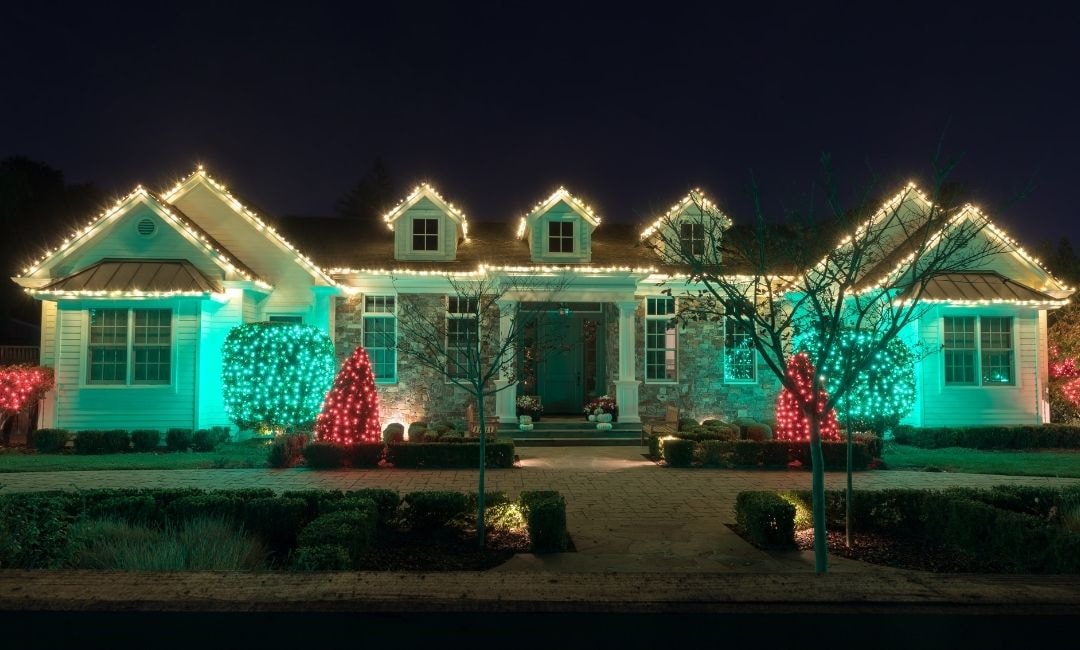
Want to go bigger than what your HOA rules typically allow? You’ll need to request approval before those inflatable Santas hit your front yard.
The Standard Approval Process
Some HOA boards have an approval process for non-standard displays, particularly if they are large or potentially disruptive. Common areas often require prior approval to prevent disputes and safety risks.
The process for requesting a variance typically involves submitting a formal application to the HOA board or an Architectural Review Committee (ARC).
Here’s what that process looks like:
- Submit a formal request with a description of your proposed display, photos or sketches, and your reasoning
- Wait for board review (usually 30-60 days, so plan ahead)
- Receive feedback or conditions that may require adjustments
- Get written approval before installing anything outside the guidelines
What to Include in Your Request
The homeowner begins by submitting a formal variance request, including a description of the proposed change, reasons for the request, and any supporting documents.
To strengthen your case:
- Explain how your display won’t obstruct views or create a fire hazard
- Note that you’ve informed neighbors, and they support the request
- Offer compromises (reduced hours, fewer extension cords, smaller scale)
What Happens If You’re Denied?
Continued non-compliance can lead to an official warning documented in HOA records. Persistent violations could result in fines.
Architectural committees must use a reasonable test, looking at how they can get people approved and still uphold the standards of the neighborhood. If you believe the denial was unfair, check your CC&Rs for an appeal process.
Tips for Staying Compliant Without Sacrificing Style
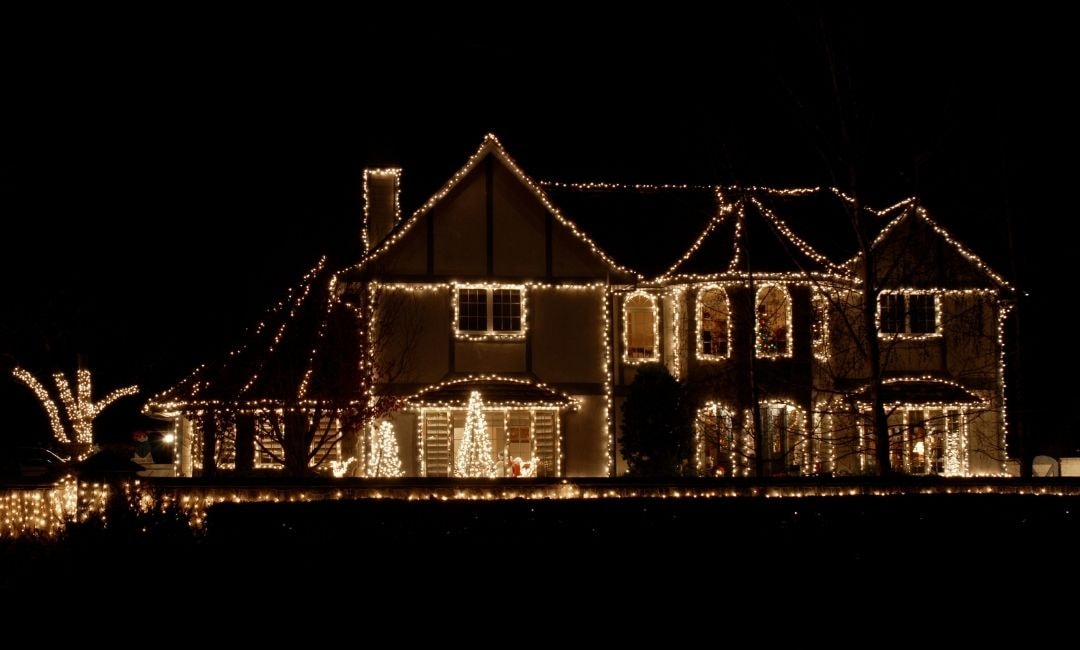
Following HOA rules doesn’t mean settling for a boring display. You can still create something festive and memorable while staying on the board’s good side.
Stick to Commonly Approved Decor
Community holiday decor standards generally allow tasteful decorations that enhance curb appeal and brighten spirits.
These items rarely cause issues:
- Holiday lights: LED or low-voltage options are preferred for safety and efficiency
- Wreaths: Door and wall wreaths are almost always acceptable
- Small banners: Festive without being overwhelming
- Minimal yard displays: Simple, non-inflatable pieces that add charm
Avoid Common Violation Triggers
Rules may limit the use of decorations that produce sound, including music-playing lights or inflatable decorations, to lower disturbances to other neighbors during quiet hours.
Watch out for:
- Large displays that block sidewalks or common areas
- Flashing lights that could distract drivers or disturb neighbors
- Noisy decorations that run past quiet hours
- Extension cords crossing shared walkways (a safety and fire hazard)
- Decorations placed on trees in common areas without approval
Work With Professionals Who Know the Rules
Here’s the thing: HOA boards have seen every decorating disaster imaginable. Working with an installer who understands your community’s specific rules can save you time, money, and frustration.
Trimmers Holiday Decor has partnered with Florida HOA communities, country clubs, and condominiums for over 33 years. We design custom displays that highlight your home’s architecture and meet your association’s guidelines. Our team handles the design, installation, maintenance, and takedown so you can enjoy the holiday season without worrying about fines or compliance issues.
Ready to Skip the Stress With Trimmers Holiday Decor?
HOA holiday rules don’t have to ruin your festive spirit. Now that you understand what most associations allow, you can decorate with confidence and avoid those dreaded violation notices.
Key Takeaways:
- Most HOAs permit holiday decorations with fair and reasonable rules on timing, size, placement, and noise
- Typical deadlines allow installation 30 days before Christmas and require removal within two weeks after
- Always check your CC&Rs and request approval for large displays or anything outside standard guidelines
- The Fair Housing Act protects religious holiday décor from discriminatory enforcement
- Light timers, LED lights, and professional installation help you stay compliant
Trimmers Holiday Decor has worked with Florida HOA communities for over 33 years. We know what passes inspection and design custom displays that wow your neighbors and satisfy your board. Let us handle the regulations while you enjoy the holidays.
FAQs About HOA Holiday Decoration Rules
Do HOAs Allow Christmas Lights?
Yes. While HOA rules may impose some limitations on Christmas decorations, outfitting your home with festive cheer is usually still possible.
Most HOA communities don’t ban holiday lights outright. Instead, they create fair and reasonable rules around how you can use them. These regulations typically cover:
–Timing: When you can install and how long decorations can stay up
–Placement: Where lights can go on your house and front yard
–Brightness: Restrictions on flashing lights or overly bright displays
–Noise: Limits on noisy decorations like musical inflatables
–Size: Bans on large displays that obstruct views or block common areas
The key is reading your CC&Rs before decorating. Many HOAs encourage homeowners to celebrate the holidays while keeping the community looking its best.
What Is the Most Common HOA Violation?
Landscaping violations are one of the most common HOA violations. Many HOAs have detailed landscaping standards that ensure every property contributes to a cohesive look.
Here are the violations that land community members in trouble most often:
-Landscaping: Overgrown lawns, unapproved plants, weeds
-Noise: Loud music, barking dogs, late-night parties
-Parking: Unauthorized vehicles, blocked driveways
-Architectural: Unapproved exterior changes, paint colors
-Pets: Exceeding pet limits, unleashed animals
-Trash: Leaving bins out too long, improper disposal
For holiday décor specifically, leaving Christmas decorations up past the removal deadline is a frequent violation. Have you ever encountered a house that still has its holiday decorations up in March? That house probably doesn’t belong in a homeowners’ association.
Pro tip:Set a calendar reminder for your HOA’s takedown deadline. It’s an easy way to avoid fines and keep your property in good standing.
What Is the New Colorado Law for HOA?
On July 2, 2021, Gov. Polis signed HB21-1310 into law. This legislation impacts how HOAs can regulate flags and signs on your property.
The act simplifies and broadens these protections, requiring an HOA to permit the display of any noncommercial flag or sign at any time, subject only to reasonable, content-neutral limitations such as the number, size, or placement of the flags or signs.
What does this mean for you?
-HOA board members can no longer ban flags or signs based on their message or content
-Reasonable rules about size, number, and placement are still allowed
-Associations in Colorado must now enact “reasonable, content-neutral rules” to regulate the number, size, and locations of flags, flagpoles, and signs.
While this law doesn’t directly address holiday decorations, it reflects a broader trend: giving homeowners more freedom of expression while still allowing HOAs to maintain fair regulations on property appearance.
Can You Decorate for Christmas in HOA Lighting Rules?
Decorating for the holidays is a time-honored tradition for many people, including those who live in a homeowners’ association.
That said, you’ll need to follow your community’s strict rules for holiday décor. Most HOAs allow:
–Holiday lights (LED or low-voltage preferred)
–Wreaths on doors and walls
–Small banners and yard signs
–Simple, non-inflatable displays
What might get you in trouble:
-Inflatable Santas and oversized decorations without approval
-Extension cords crossing sidewalks (a fire hazard and safety concern)
-Noisy decorations running past quiet hours
-Displays that remain up past the removal deadline
If a community association permits secular decorations for holidays like St. Patrick’s Day, Halloween, and Valentine’s Day, it must also allow religious displays for holidays like Christmas, Hanukkah, and Kwanzaa. Under the Fair Housing Act, allowing secular displays but not religious ones may be seen as discrimination.
HOA holiday decoration rules exist to keep neighborhoods safe, fair, and visually appealing. They’re not designed to kill the fun. Work within the guidelines, and you can still create a festive display that makes your neighbors smile.


